
centro de recursos para agricultores
Welcome to the Cultivating Farmers Resource Library, an online toolshed for farm businesses in the Los Angeles region and beyond. This project aims to create permanent, no-cost, accessible training for small and urban farmers. We collected these resources from partner institutions, subject experts, and the Cultivating Farmers workshop series, and selected them for their ability to grow your farm business. Together, we can create a strong, resilient, and sustainable regional food system.

Operaciones y manejo poscosecha
Operaciones y manejo poscosecha
Operaciones y manejo poscosecha
The section explores how to develop an executive summary, a strategic plan, and core principles for your farm business. These resources will help lay the foundation for a well-rounded business plan.

An Introduction to Developing an Executive Summary
This video provides an overview of how to create an executive summary and supports your journey through the templated executive summary exercise. Here, you will assess your farm’s mission, core values, product, customers, sales channels, and more.
Provided by: Olivia Tincani & Co. for Cultivating Farmers
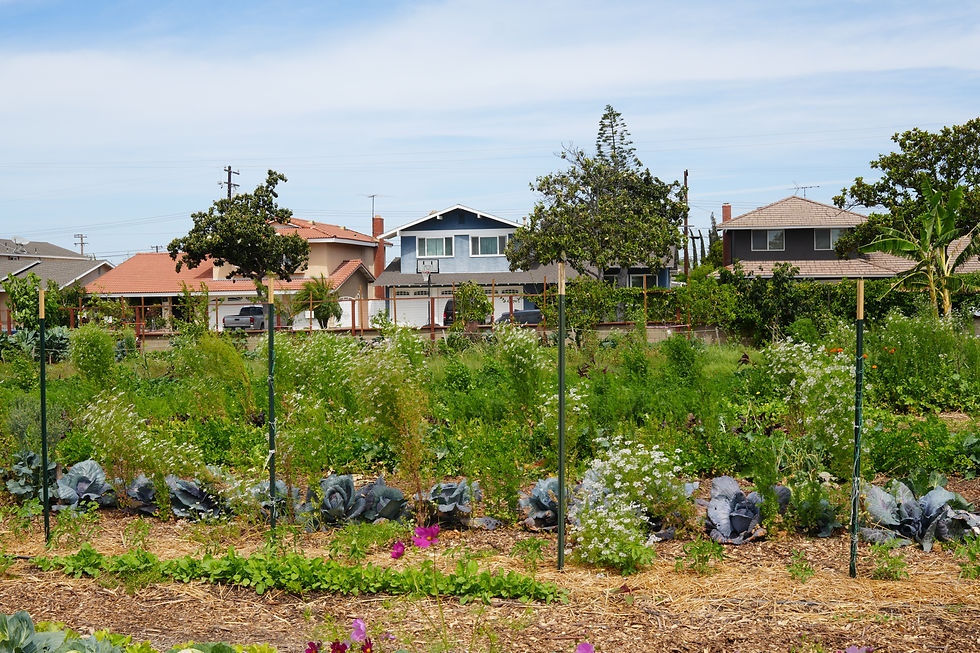
Developing an Executive Summary Exercise
Building on the Executive Summary Video, this template helps you build the foundation for a solid Farm Business plan. Here, you will assess the key components of your farm business as they relate to your long-term and impact-related goals.
Provided by: Olivia Tincani & Co. for Cultivating Farmers

An Introduction to Core Values & Strategic Planning
This video supports your introduction to various tools that allow you to examine personal and professional identities using the S-O-A-R (Strengths, Opportunities, Aspirations, and Results) analysis and the Core Values assessment.
Provided by: Olivia Tincani & Co. for Cultivating Farmers

SOAR Visioning Exercise
Through this exercise, you’ll develop a path towards your farm’s Strategic Plan. You will envision the Strengths, Opportunities, Aspirations, and Results for your personal and professional identities and help your farm identify its own S’s, O’s, A’s, and R’s.
Provided by: Olivia Tincani & Co. for Cultivating Farmers

SOAR Strategic and Action Plan Crafting Instructions
This tool will help you review, prioritize, clarify, and refine your S-O-A-R’s and connect the dots between personal and professional visions. Here you will go over strategic objectives, refine your vision, and develop markers of success in the form of a 1-pg Strategic Plan.
Provided by: Olivia Tincani & Co. for Cultivating Farmers

Core Values Exercise
This tool will help you define the core values of your business and cultivate brand identity to power and inform all business decisions and activities. Use this resource to create a set of values that the objectives of your annual strategic plan will echo and exemplify.
Provided by: Olivia Tincani & Co. for Cultivating Farmers
Operaciones y manejo poscosecha
Operaciones y manejo poscosecha
Operaciones y manejo poscosecha
Think of your business plan as a roadmap for structuring, running, and growing your farm. This foundational document sets the structure for your operation and can help you secure funding or attract new partners. As an urban farm, developing a business plan will also help you explore what structure best fits you and your business, whether it's a non-profit, S-Corp, LLC, or otherwise.

Exploring Social Purpose Business Structures
This resource covers social purpose entities that serve as alternatives to 501(c)(3) organizations. Use this tool to learn about Benefit corporations, B Corporation certification, Low-Profit Limited Liability Companies (L3Cs), and more.
Provided by: Farm Commons

Farming as a Nonprofit & For-Profit Charitable Activities
Many farms in Los Angeles operate as nonprofit organizations. We invite you to explore the basic motivations and limitations of a nonprofit farming model so you can make an informed decision about whether 501(c)(3) nonprofit status is right for your farm.
Provided by: Farm Commons

Basic Considerations for Choosing a Nonprofit Farm
For farms focused on education, charitable programming, or scientific research, a nonprofit business model can provide access to grant funding and donations, among other benefits. This guide will help you navigate forming a nonprofit and the associated legal limitations.
Provided by: Farm Commons
Operaciones y manejo poscosecha
Operaciones y manejo poscosecha
Operaciones y manejo poscosecha
This section covers the basics of farm business finances. Here, you will find tools to assess a farm’s financial health and meet annual reporting requirements to ensure your business is sustainable.

An Introduction to
Expenses & Cash Flow Budgeting Tools
This video serves as an educational resource for navigating our Income & Expenses templates. Use this video to guide your use of the expense tools related to Grazing & Livestock or Vegetable Farming as you keep your farm business’s financial health and performance in check.
Provided by: Olivia Tincani & Co. for Cultivating Farmers

Income & Expenses Tool
This Income & Expenses template serves as a financial report that summarizes your farm’s revenues, costs, and expenses to show your business’s financial health and performance. This template will guide you through showing whether your farm business made a profit or incurred a loss.
Provided by: Olivia Tincani & Co. for Cultivating Farmers

Understanding Schedule F
These slides cover Schedule F taxes, a specialized tax form farmers use to report farming income and expenses on their federal income tax return. Farmers, including those who raise livestock, grow crops, or operate ranches, vineyards, or orchards, typically file Schedule F.
Provided by: Winona Dorris for Cultivating Farmers
Operaciones y manejo poscosecha
Operaciones y manejo poscosecha
Operaciones y manejo poscosecha
Zoning regulations determine what you can grow and where you can farm within city limits. The following resources will help you navigate local zoning policies, advocate for change, and build unique land-access partnerships to ensure your urban farm succeeds.

Community Benefit Analysis Example
Our friends at Black Thumb Farm provided us with their Community Benefit Analysis, which they used to compare their value to the community with the market value of the city-owned land. This analysis helped determine their rent and led the City of LA to grant them a no-cost lease.
Provided by: Black Thumb Farm

Lease & Land Use Templates
This basic lease template has been prepared by California FarmLink and is intended for general informational purposes only. It offers standard language to use in developing a lease for your farming operation. This template is to be adapted to your farm’s specific land access situation.
Provided by: CA Farmlink

Land Access Methods & Templates
Many ways to navigate land access exist through municipal programs, legislation, and creative thinking. This resource details a variety of methods for accessing and holding land in urban spaces and provides helpful resources for navigating these processes.
Provided by: Cornell Small Farms

Vacant Land Analysis
This tool provides a visual representation of vacant land areas under the jurisdiction of LA County municipalities. This map can help you navigate the landscape of opportunities available to you in your search for land in partnership with your city government.
Provided by: Los Angeles County Chief Sustainability Office

Zoning & Land Use Fact Sheet
This fact sheet provides an overview of how to influence zoning and land-use policy in your jurisdiction. It briefly explores advocacy channels, participant types, and strategies to influence zoning codes that may affect your farm.
Provided by: Center for Agriculture and Food Systems at Vermont Law and Graduate School

A Guide to Support Healthy Food Production and Land Access Laws
This guide promotes urban agriculture through zoning reform. Use this tool to take an in-depth look at zoning codes and analyze pathways to impact urban agriculture.
Provided by: Center for Agriculture and Food Systems at Vermont Law and Graduate School

On-School Farm Programming Panel
This panel discussion highlights LA farmers' experiences with service providers and school partners that offer unique opportunities for land access. Here, Garden School Foundation and Growing Together Education share how their programming and connections to schools and institutions have allowed them to see school property as arable land.
Operaciones y manejo poscosecha
Operaciones y manejo poscosecha
Operaciones y manejo poscosecha
Every farm business, micro, small, or large, should consider risk management because hazards can affect crops, visitors, and the people behind your farm, and you can mitigate them at every stage. Insurance and proper permitting are essential to protecting your farm business and the people you feed. The following resources will walk you through what it takes to protect your consumers, staff, and farm from potential risks

Farm Property Insurance Basics
Your urban farm may have a variety of equipment, such as walk-in fridges, tractors, and other supplies, to support day-to-day operations. This exercise helps you determine whether you need a farm insurance policy to protect your operation in a worst-case scenario.
Provided by: Farm Commons

Crop & Livestock Insurance Basics
Crop and livestock insurance is a financial safety net that can protect your farm business against significant losses. This exercise will help you grow your understanding of what crop and livestock risks concern you and whether those concerns are a priority for you to get covered.
Provided by: Farm Commons

Farm Insurance Basics
This guide discusses risk and return when seeking insurance for your operation. Ultimately, only you can decide the best approach for your farm business's present and future stability, but this guide explores key steps to identify the insurance coverage you want and need.
Provided by: Farm Commons
Operaciones y manejo poscosecha
Operaciones y manejo poscosecha
Operaciones y manejo poscosecha
As a farm, you must have command over a variety of Food Safety protocols. The following resources introduce you to FSMA requirements, liability insurance, and real-world examples of encountering and addressing Food Safety issues. The resources below are tools and guides specific to an urban farm operation.

Post-Harvest Handling Overview
These presentations cover what you need to establish post-harvest handling processes. Here you’ll get an introduction to what an urban farm needs to meet FSMA, GAP, and wash station basics, and learn how to create a post-harvest handling plan for your farm.
Provided by: Avenue 33 Farm

Post-Harvest Handling | In Conversation with Ava Post, MudTown Farms WLCAC
In this conversation, we cover what good food safety practices look like for an LA-based urban farm. Hear from Farmer Ava Post at WLCAC’s MudTown Farms as we explore things like post-harvest practices, how to protect consumers down the line, and how to ensure your team, from volunteers to staff, is educated on your farm's Food Safety Plan.
Operaciones y manejo poscosecha
Operaciones y manejo poscosecha
Operaciones y manejo poscosecha
This section explores the creative side of your farm business. Here you’ll find tools and videos to help you approach marketing strategy, evaluate new opportunities, and establish your brand identity.

An Introduction to Opportunity Mapping
This video guides you into the use of our Opportunity Mapping tool and methodology. Here, you’ll learn how to evaluate new ventures, activities, or operational changes, and how your farm business should adapt to these opportunities.
Provided by: Olivia Tincani & Co. for Cultivating Farmers

Opportunity Mapping
This opportunity map tool supports business decision-making. It serves as a "business planning light" template that helps users evaluate new ventures, activities, or operational changes. This tool supports informed decision-making when evaluating new opportunities, scaling up, or scaling back activities.
Provided by: Olivia Tincani & Co. for Cultivating Farmers

Communications Strategy & Marketing Plans
Whether you're hosting an agrotourism event, a farmstand, or an online project, you need a marketing plan. This template provides structured section headers and guidelines to help write a communications strategy and marketing plan.
Provided by: Olivia Tincani & Co. for Cultivating Farmers

Creative Brief Template
This tool introduces you to how to develop a Creative Brief, which is a 1-2 page summary designed to communicate brand identity and communications strategy. This will help your farm by serving as a guidebook for marketing decisions and potential partners.
Provided by: Olivia Tincani & Co. for Cultivating Farmers
Operaciones y manejo poscosecha
Operaciones y manejo poscosecha
Operaciones y manejo poscosecha
This section covers how to diversify your farm’s income streams. Many Los Angeles urban farms operate with limited funding, hindering long-term sustainability. However, as a farm, you have plenty of potential sales channels to explore beyond your main goal of feeding the community. Explore the following resources to learn more about selling to restaurants, markets, and institutions, as well as expanding into agritourism ventures.
Setting up for Certified Producer Certificate and Market Part 1
This resource explores the requirements for vending at farmers' markets. From labeling requirements to navigating barriers, such as certified producer certificates, this presentation covers what you need to know to have a stand at your local farmers' market.

Establishing a Farmstand & Pricing Your Products Workshop
This video goes over the story and operations behind Avenue 33 Farm’s weekly farm stand. Here, Eric Tomassini and his team discuss how they aggregate produce from other farms, meet ordering requirements, and run a well-functioning weekly stand in an urban environment.

DISCLAIMER:
This tool library does not provide legal advice or establish a consultant-client relationship between the user and author. The Los Angeles Food Policy Council does not officially endorse any of the linked products. Instead, they serve as examples of materials you might need for a successful farm business. Always consult an attorney or area specialist regarding your specific situation.
No part of this library knowingly uses AI-generated content or images. The Los Angeles Food Policy Council is committed to supporting the livelihoods of the artists, farmers, and subject matter experts who had a hand in this library’s development.
Vivimos, trabajamos y cultivamos alimentos.
sobre tierras indígenas no cedidas.
Reconocemos y honramos a los descendientes de los pueblos Tongva, Kizh y Gabrieleño como los guardianes tradicionales de las tierras de Tovaangar (la Cuenca de Los Ángeles y las Islas del Canal del Sur). Rendimos homenaje a los Honuukvetam (Ancestros), 'Ahiihirom (Ancianos) y 'Eyoohiinkem (nuestros parientes/relatos), pasados, presentes y futuros.
Como parte de una cuenca alimentaria más amplia, también queremos rendir homenaje y honrar a los Chumash, Tataviam, Serrano, Kitanemuk, ʔíviĨuqaletem, Acjachemen, Payómkawichum y a cualquier otro grupo tribal que no se haya mencionado. Como Consejo de Política Alimentaria de Los Ángeles, reconocemos que este reconocimiento territorial es limitado y que la participación es un proceso continuo de aprendizaje y rendición de cuentas. Para obtener más información sobre estas Primeras Naciones, visite aquí.
Operaciones y manejo poscosecha
Think of your business plan as a roadmap for structuring, running, and growing your farm. This foundational document sets the structure for your operation and can help you secure funding or attract new partners. As an urban farm, developing a business plan will also help you explore what structure best fits you and your business, whether it's a non-profit, S-Corp, LLC, or otherwise.

For-Profit Farming
Listen to our chat with Lupe Smith of Baron’s Microgreens. Here, we discuss the experience of farming in a for-profit business model and explore what it might be like for farmers interested in doing the same.
_HEIC.png)
Forming an LLC for Your Farm Basics
The following resources specifically explore the benefits and limitations of choosing an LLC as your farm business structure. It is recommended to go through the provided questions with your farm business in mind.
Provided by: Farm Commons
Exploring Social Purpose Business Structures
This resource covers social purpose entities that serve as alternatives to 501(c)(3) organizations. Use this tool to learn about Benefit corporations, B Corporation certification, Low-Profit Limited Liability Companies (L3Cs), and more.
Provided by: Farm Commons

Non-profit vs. For-profit Farming
Listen to our chat with Meghan Steed-Garvey of Los Angeles’s GrowGood Urban Farm. Here, we discuss nonprofit vs. for-profit farming for urban agriculture operations and provide context for what it's like to operate a non-profit urban farm here in Los Angeles.
Farming as a Nonprofit & For-Profit Charitable Activities
Many farms in Los Angeles operate as nonprofit organizations. We invite you to explore the basic motivations and limitations of a nonprofit farming model so you can make an informed decision about whether 501(c)(3) nonprofit status is right for your farm.
Provided by: Farm Commons

Exploring Qualifications for a Nonprofit Farm
This article guides you through the minimum qualifications for forming a nonprofit organization. If you find that farming as a 501(c)(3) status makes sense for your business, explore the legal considerations of nonprofit status.
Provided by: Farm Commons
Basic Considerations for Choosing a Nonprofit Farm
For farms focused on education, charitable programming, or scientific research, a nonprofit business model can provide access to grant funding and donations, among other benefits. This guide will help you navigate forming a nonprofit and the associated legal limitations.
Provided by: Farm Commons
Operaciones y manejo poscosecha
This section covers the basics of farm business finances. Here, you will find tools to assess a farm’s financial health and meet annual reporting requirements to ensure your business is sustainable.
An Introduction to
Expenses & Cash Flow Budgeting Tools
This video serves as an educational resource for navigating our Income & Expenses templates. Use this video to guide your use of the expense tools related to Grazing & Livestock or Vegetable Farming as you keep your farm business’s financial health and performance in check.
Provided by: Olivia Tincani & Co. for Cultivating Farmers
Income & Expenses Tool
This Income & Expenses template serves as a financial report that summarizes your farm’s revenues, costs, and expenses to show your business’s financial health and performance. This template will guide you through showing whether your farm business made a profit or incurred a loss.
Provided by: Olivia Tincani & Co. for Cultivating Farmers
Understanding Schedule F
These slides cover Schedule F taxes, a specialized tax form farmers use to report farming income and expenses on their federal income tax return. Farmers, including those who raise livestock, grow crops, or operate ranches, vineyards, or orchards, typically file Schedule F.
Provided by: Winona Dorris for Cultivating Farmers
Operaciones y manejo poscosecha
Zoning regulations determine what you can grow and where you can farm within city limits. The following resources will help you navigate local zoning policies, advocate for change, and build unique land-access partnerships to ensure your urban farm succeeds.
Community Benefit Analysis Example
Our friends at Black Thumb Farm provided us with their Community Benefit Analysis, which they used to compare their value to the community with the market value of the city-owned land. This analysis helped determine their rent and led the City of LA to grant them a no-cost lease.
Provided by: Black Thumb Farm
Lease & Land Use Templates
This basic lease template has been prepared by California FarmLink and is intended for general informational purposes only. It offers standard language to use in developing a lease for your farming operation. This template is to be adapted to your farm’s specific land access situation.
Provided by: CA Farmlink
Land Access Methods & Templates
Many ways to navigate land access exist through municipal programs, legislation, and creative thinking. This resource details a variety of methods for accessing and holding land in urban spaces and provides helpful resources for navigating these processes.
Provided by: Cornell Small Farms
Vacant Land Analysis
This tool provides a visual representation of vacant land areas under the jurisdiction of LA County municipalities. This map can help you navigate the landscape of opportunities available to you in your search for land in partnership with your city government.
Provided by: Los Angeles County Chief Sustainability Office
Zoning & Land Use Fact Sheet
This fact sheet provides an overview of how to influence zoning and land-use policy in your jurisdiction. It briefly explores advocacy channels, participant types, and strategies to influence zoning codes that may affect your farm.
Provided by: Center for Agriculture and Food Systems at Vermont Law and Graduate School
A Guide to Support Healthy Food Production and Land Access Laws
This guide promotes urban agriculture through zoning reform. Use this tool to take an in-depth look at zoning codes and analyze pathways to impact urban agriculture.
Provided by: Center for Agriculture and Food Systems at Vermont Law and Graduate School
On-School Farm Programming Panel
This panel discussion highlights LA farmers' experiences with service providers and school partners that offer unique opportunities for land access. Here, Garden School Foundation and Growing Together Education share how their programming and connections to schools and institutions have allowed them to see school property as arable land.
Operaciones y manejo poscosecha
Every farm business, micro, small, or large, should consider risk management because hazards can affect crops, visitors, and the people behind your farm, and you can mitigate them at every stage. Insurance and proper permitting are essential to protecting your farm business and the people you feed. The following resources will walk you through what it takes to protect your consumers, staff, and farm from potential risks
Farm Property Insurance Basics
Your urban farm may have a variety of equipment, such as walk-in fridges, tractors, and other supplies, to support day-to-day operations. This exercise helps you determine whether you need a farm insurance policy to protect your operation in a worst-case scenario.
Provided by: Farm Commons
Crop & Livestock Insurance Basics
Crop and livestock insurance is a financial safety net that can protect your farm business against significant losses. This exercise will help you grow your understanding of what crop and livestock risks concern you and whether those concerns are a priority for you to get covered.
Provided by: Farm Commons
Farm Insurance Basics
This guide discusses risk and return when seeking insurance for your operation. Ultimately, only you can decide the best approach for your farm business's present and future stability, but this guide explores key steps to identify the insurance coverage you want and need.
Provided by: Farm Commons
Operaciones y manejo poscosecha
As a farm, you must have command over a variety of Food Safety protocols. The following resources introduce you to FSMA requirements, liability insurance, and real-world examples of encountering and addressing Food Safety issues. The resources below are tools and guides specific to an urban farm operation.

Checklist for Managing Your Food Safety Liability
This checklist outlines key steps farmers can take to reduce their food safety liability and avoid making the people who consume their produce or livestock sick.
Provided by: Farm Commons

Managing Food Safety Liability Risk Basics
This guide answers frequently asked questions about food safety liability and helps you consider simple, standardized ways to protect your business.
Provided by: Farm Commons
Post-Harvest Handling Overview
These presentations cover what you need to establish post-harvest handling processes. Here you’ll get an introduction to what an urban farm needs to meet FSMA, GAP, and wash station basics, and learn how to create a post-harvest handling plan for your farm.
Provided by: Avenue 33 Farm

Wash Station and Food Handling Resources
This guide lists items needed to set up a wash station and offers links for potential purchasing. We don’t endorse any of these products; they're examples of items you may need to set up post-harvest handling practices.
Provided by: Avenue 33 Farm

Harvest Log Tempalte
This template is an example of a Harvest Log to be tailored to your farm operation. Use this template to keep track of your crops, their harvest, and their journey to market.
Provided by: Community Alliance with Family Farmers
Post-Harvest Handling | In Conversation with Ava Post, MudTown Farms WLCAC
In this conversation, we cover what good food safety practices look like for an LA-based urban farm. Hear from Farmer Ava Post at WLCAC’s MudTown Farms as we explore things like post-harvest practices, how to protect consumers down the line, and how to ensure your team, from volunteers to staff, is educated on your farm's Food Safety Plan.
Operaciones y manejo poscosecha
This opportunity map tool supports business decision-making. It serves as a "business planning light" template that helps users evaluate new ventures, activities, or operational changes. This tool supports informed decision-making when evaluating new opportunities, scaling up, or scaling back activities.
An Introduction to Opportunity Mapping
This video guides you into the use of our Opportunity Mapping tool and methodology. Here, you’ll learn how to evaluate new ventures, activities, or operational changes, and how your farm business should adapt to these opportunities.
Provided by: Olivia Tincani & Co. for Cultivating Farmers
Opportunity Mapping
This opportunity map tool supports business decision-making. It serves as a "business planning light" template that helps users evaluate new ventures, activities, or operational changes. This tool supports informed decision-making when evaluating new opportunities, scaling up, or scaling back activities.
Provided by: Olivia Tincani & Co. for Cultivating Farmers

An Introduction to Communications Strategy, Marketing Plans, & Creative Briefs
This video introduces two tools for marketing your farm business: the Communications Strategy & Marketing Plan Template and the Creative Briefs Template.
Provided by: Olivia Tincani & Co. for Cultivating Farmers
Communications Strategy & Marketing Plans
Whether you're hosting an agrotourism event, a farmstand, or an online project, you need a marketing plan. This template provides structured section headers and guidelines to help write a communications strategy and marketing plan.
Provided by: Olivia Tincani & Co. for Cultivating Farmers
Creative Brief Template
This tool introduces you to how to develop a Creative Brief, which is a 1-2 page summary designed to communicate brand identity and communications strategy. This will help your farm by serving as a guidebook for marketing decisions and potential partners.
Provided by: Olivia Tincani & Co. for Cultivating Farmers
Operaciones y manejo poscosecha
This section covers how to diversify your farm’s income streams. Many Los Angeles urban farms operate with limited funding, hindering long-term sustainability. However, as a farm, you have plenty of potential sales channels to explore beyond your main goal of feeding the community. Explore the following resources to learn more about selling to restaurants, markets, and institutions, as well as expanding into agritourism ventures.

An Introduction to Sales & Revenue Streams
Listen to our chat with Nikhita Jain of Urban Agriculture Consulting. Here, we discuss how to approach various sales channels and how some of the following tools can help support your farm business.

Farm Sales Agreement Basics
These resources explore the need-to-know behind Farm Sales. Whether it’s CSAs, Restaurants, or other sales channels, this tool offers you insight into the commonly asked legal questions about sales agreements for your farm products.
Provided by: Farm Commons
Setting up for Certified Producer Certificate and Market Part 1
This resource explores the requirements for vending at farmers' markets. From labeling requirements to navigating barriers, such as certified producer certificates, this presentation covers what you need to know to have a stand at your local farmers' market.

Setting up for Certified Producer Certificate and Market Part 2
This video continues the conversation on all you need to know to set up for a farmers market. From proper labeling to documentation, this presentation covers the important unseen side of farmers market preparation.
Establishing a Farmstand & Pricing Your Products Workshop
This video goes over the story and operations behind Avenue 33 Farm’s weekly farm stand. Here, Eric Tomassini and his team discuss how they aggregate produce from other farms, meet ordering requirements, and run a well-functioning weekly stand in an urban environment.

Sales to Restaurants
These resources introduce the basics behind vending to restaurants. It covers basic food safety requirements and avenues to explore when entering these new sales channels.